
Extractions
Dental extractions are performed when a tooth is severely decayed, damaged, or causing overcrowding. Removing a problematic tooth helps prevent infection, relieve pain, and protect the overall health of surrounding teeth and gums.
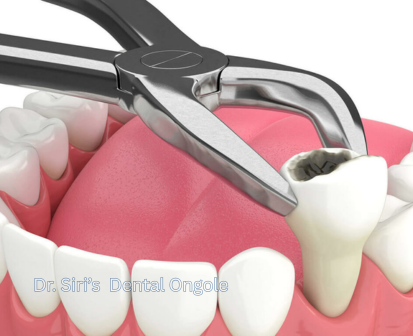
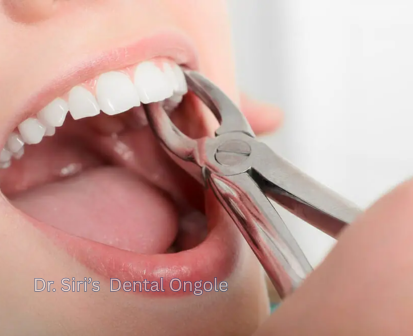
- Safe removal of decayed or damaged teeth
- Relieves severe tooth pain and infection
- Helps prevent damage to nearby teeth
- Creates space for orthodontic treatments
- Promotes long-term oral health
Extractions are performed with care using modern techniques to ensure patient comfort. In some cases, a simple extraction is sufficient, while surgical extraction may be required for impacted teeth such as wisdom teeth.
faqs
Everything you need to know about Extractions
No, extractions are done under local anesthesia, so you should not feel pain. Some discomfort or mild soreness may occur after the procedure but can be managed with medication.
Most patients recover within a few days. Healing time may vary depending on the type of extraction and your oral health, but following aftercare instructions speeds up recovery.
Extractions are needed when teeth are severely decayed, broken, overcrowded, or impacted (like wisdom teeth). Your dentist will evaluate if an extraction is the best option.
You should avoid smoking, using straws, or eating hard foods for a few days. Stick to soft foods and follow your dentist’s aftercare advice to ensure quick healing.