TMJ Pain Management
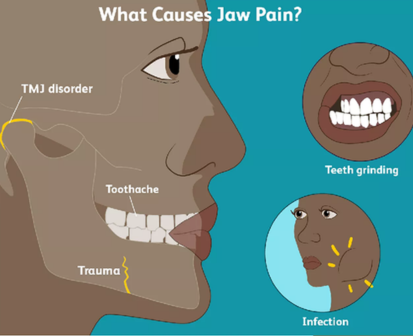
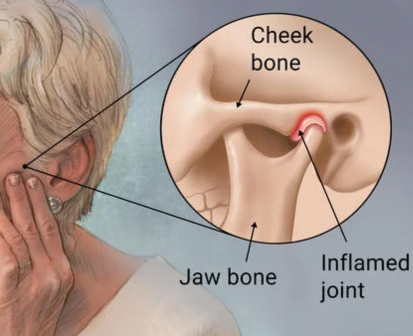
Temporomandibular Joint (TMJ) disorders can cause jaw pain, headaches, difficulty in chewing, and even neck or shoulder discomfort. With professional care, TMJ pain can be managed effectively to restore comfort and improve daily function.
- Comprehensive TMJ evaluation
- Personalized treatment plans
- Jaw alignment and bite correction
- Pain relief therapies
- Stress and habit management
Effective TMJ pain management helps reduce discomfort, improve jaw movement, and prevent long-term complications. With early diagnosis and the right care, patients can enjoy better oral function and overall quality of life.
faqs
Everything you need to know about TMJ Pain Management
Common symptoms include jaw pain, clicking or popping sounds, difficulty in chewing, headaches, and stiffness around the jaw and neck.
Treatment may include lifestyle modifications, bite correction, dental splints, physical therapy, medications, or stress reduction techniques depending on severity.
Mild TMJ pain may improve with self-care, but persistent or worsening symptoms should be evaluated by a dentist for proper treatment.
If jaw pain interferes with eating, speaking, or daily activities, or if you notice locking of the jaw, you should consult a dentist promptly.